
Road to Hope

Walking on the Road to Hope
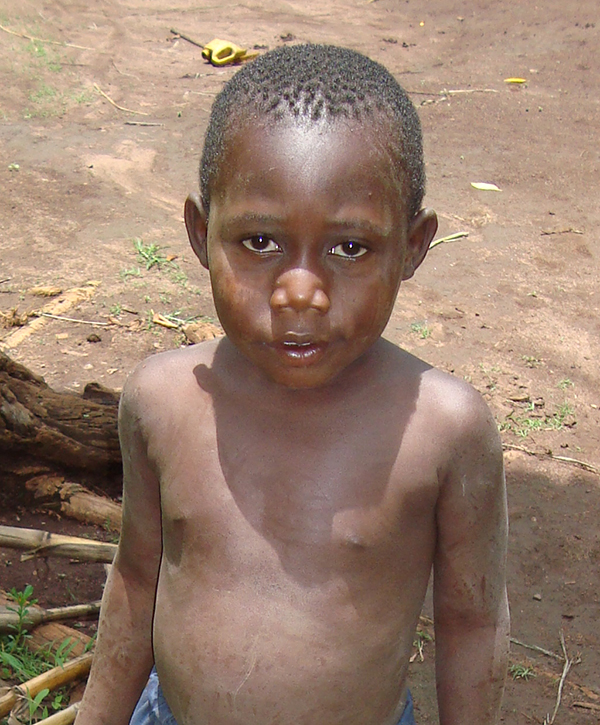
The Road to Hope (RTH) program provides holistic financial, educational and psychosocial support to vulnerable children who have lost one or both parents or who are caring for parents or guardians with life-limiting illnesses. Many children on the program served as primary caregivers for their dying parent(s), while others are younger siblings within caregiving households. Working closely with palliative care providers who cared for these families, PCAU identifies and supports vulnerable child caregivers whose education, well-being and future opportunities are at risk.
When a parent is diagnosed with a life-threatening illness in Uganda, a child is often forced to assume the role of primary caregiver at a very young age. With limited or no household income, the child may drop out of school to provide care and seek casual work, while also managing household responsibilities such as securing food, cleaning and bathing the parent and obtaining medicines from palliative care organizations. Following the death of a parent, children are commonly absorbed into extended family settings, where caregivers may struggle to provide more than basic food, clothing and minimal schooling.
Children in these circumstances face multiple layers of vulnerability, including interrupted education, poverty, grief, emotional distress and social isolation. The Road to Hope program responds through comprehensive support that includes school fees, uniforms, meals, healthcare access and regular follow-up by social workers to monitor progress and provide psychosocial support. Children are enrolled in educational pathways best suited to their needs and abilities – primary, secondary, vocational or tertiary – and their development is continuously assessed.
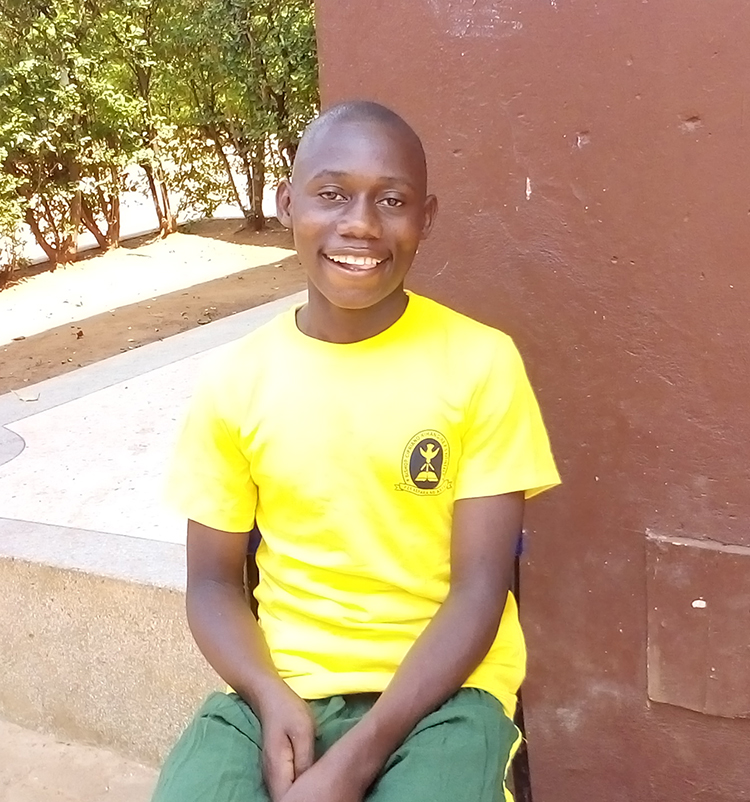
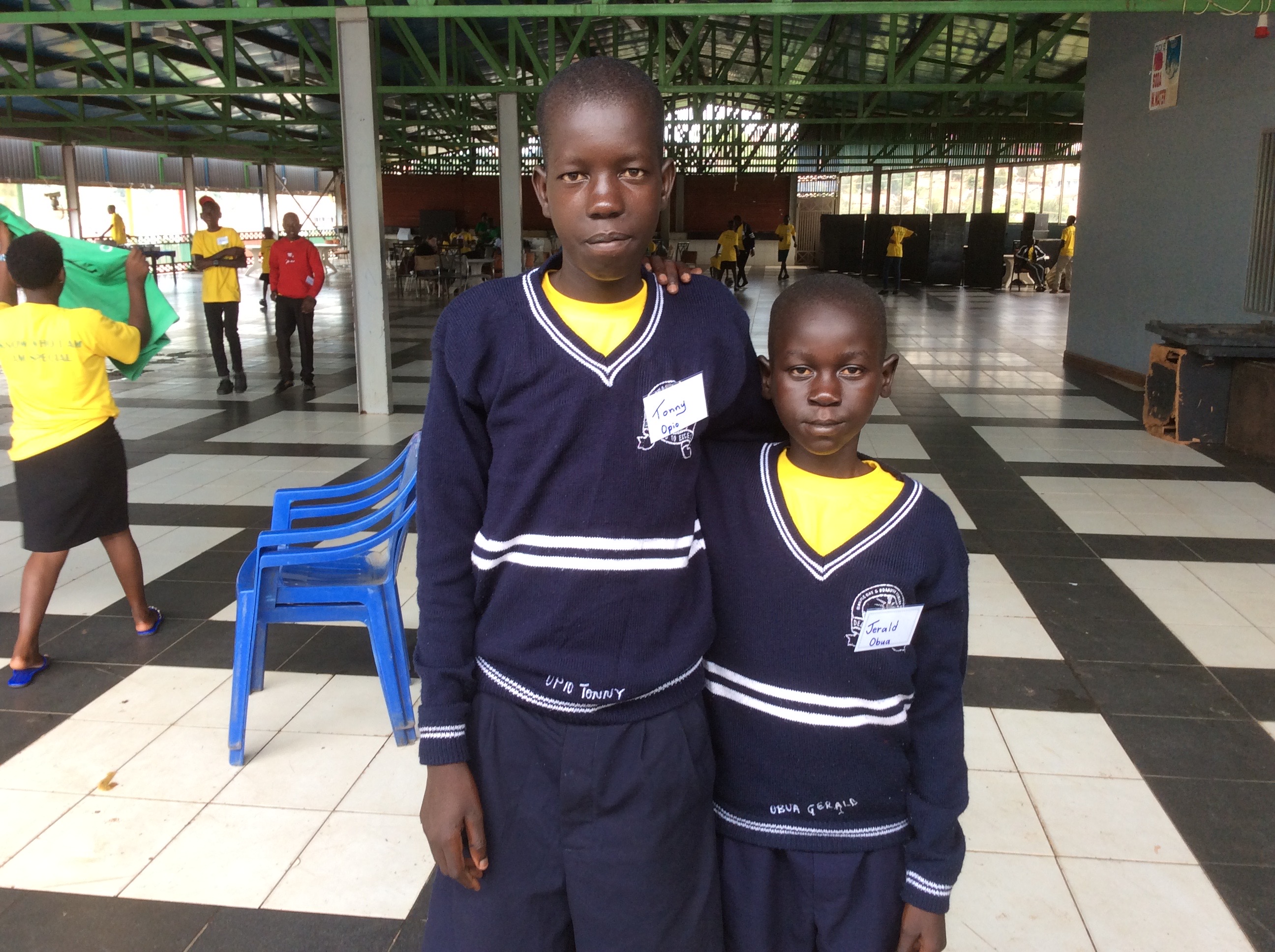
As children grow older, the program emphasizes life-skills development, career guidance and preparation for the world of work. In recent years, the RTH Program has increasingly prioritized Technical and Vocational Education and Training (TVET) after completion of Senior Four (O-Level), enabling young people to acquire employable skills within a defined timeframe. This approach supports both the child and their family by promoting earlier economic participation, self-reliance and long-term stability. Graduates of secondary or vocational programs receive mentorship and, where appropriate, start-up support to help them transition into employment or entrepreneurship.
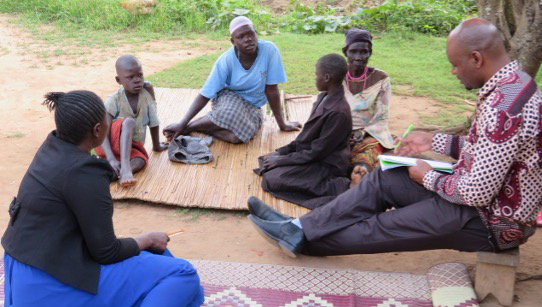
PCAU works through a strong network of palliative care-trained healthcare workers embedded within communities to identify vulnerable child caregivers for the Road to Hope Program. These frontline providers understand the family context and initiate referrals for assessment. Following a comprehensive evaluation, and subject to program capacity and eligibility criteria, children are enrolled and supported through an individualized care and education plan – helping them move from vulnerability toward resilience, dignity and hope.